You describe it.
We draw it properly.
Twenty-five years of professional design work for civil and mechanical engineering firms, now pointed at your project. If you have an idea, we can do the heavy lifting.
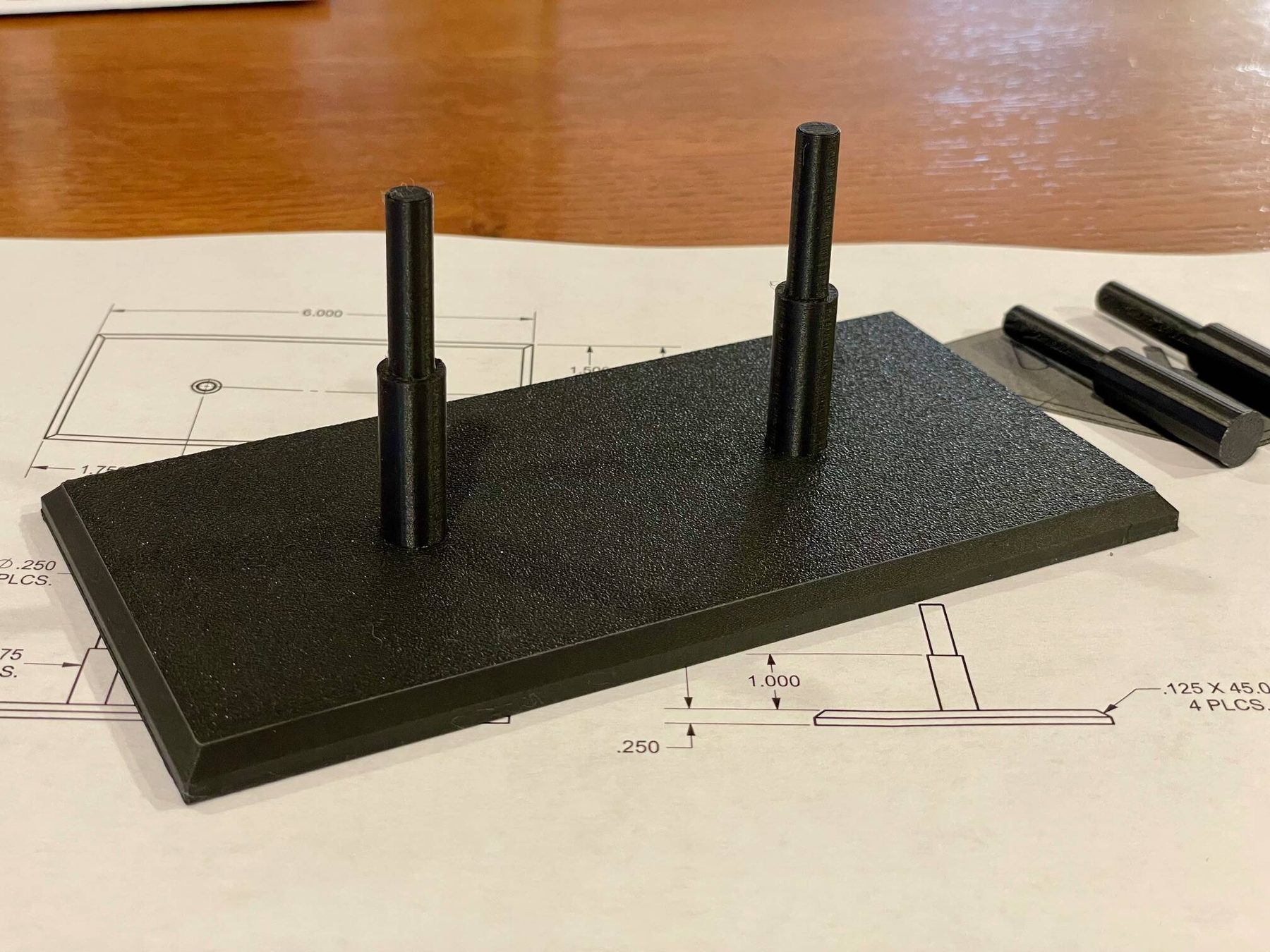
Details, details, details
Twenty-five years in the consulting engineering world means hundreds of detailed plans for civil and mechanical firms, and the habits that come with them. Those habits are the reason your part fits the first time.
Every project that comes through the door gets treated like one of our own, on the old rule of measure twice, cut once. Getting it right on the screen is far cheaper than getting it wrong in material.
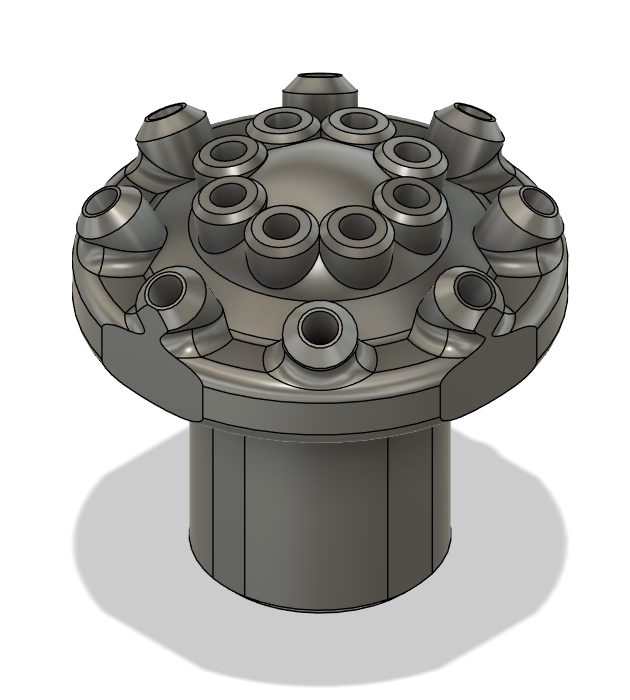
The software has kept up. So have we.
Autodesk tools have changed a lot over twenty-five years, and we have used most versions along the way. That means modern modeling when a project calls for it, and none of the guesswork when a drawing has to be read by somebody else.
Bring a sketch on paper, a photo, a broken original, or a description you have been carrying around for years. Any of those is a starting point.
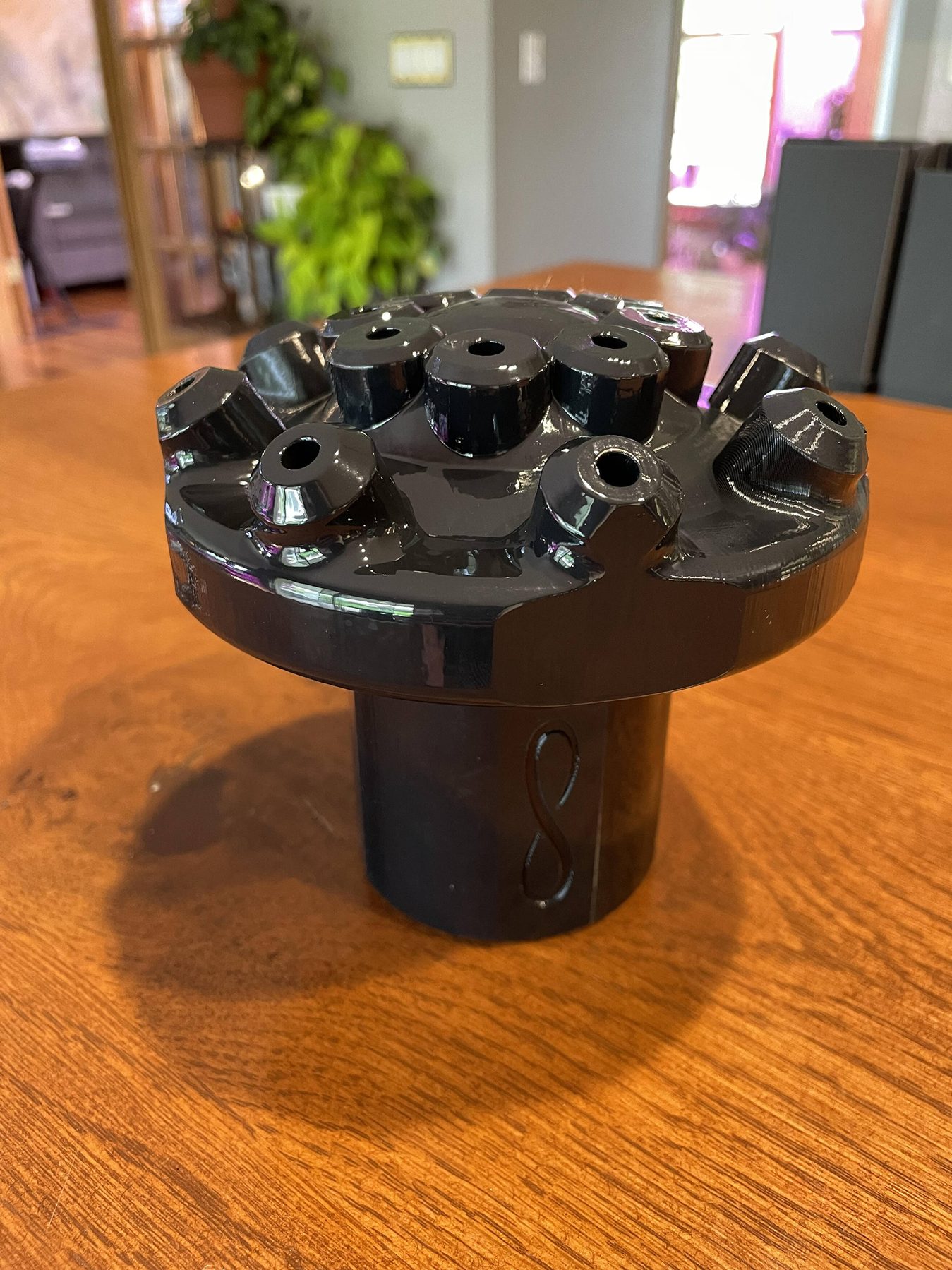
Four ways a project usually starts
An idea in your head
We turn a description or a napkin sketch into a model you can look at, change, and then hold.
An existing part
A scan becomes a clean model, so a part with no drawings can be made again.
A part that failed
We model the original, then strengthen the spot where it broke instead of reproducing the flaw.
Something to hand off
Dimensioned drawings and standard file formats, ready for whoever builds it next.
Good to know
I only have a rough idea. Is that enough?
Do I own the design when it is done?
Can you improve a part rather than copy it?
Do you design for printing only?
Let us draw it up.
Describe what you are picturing. If it is easier to show us, send a photo of the sketch or the original part.